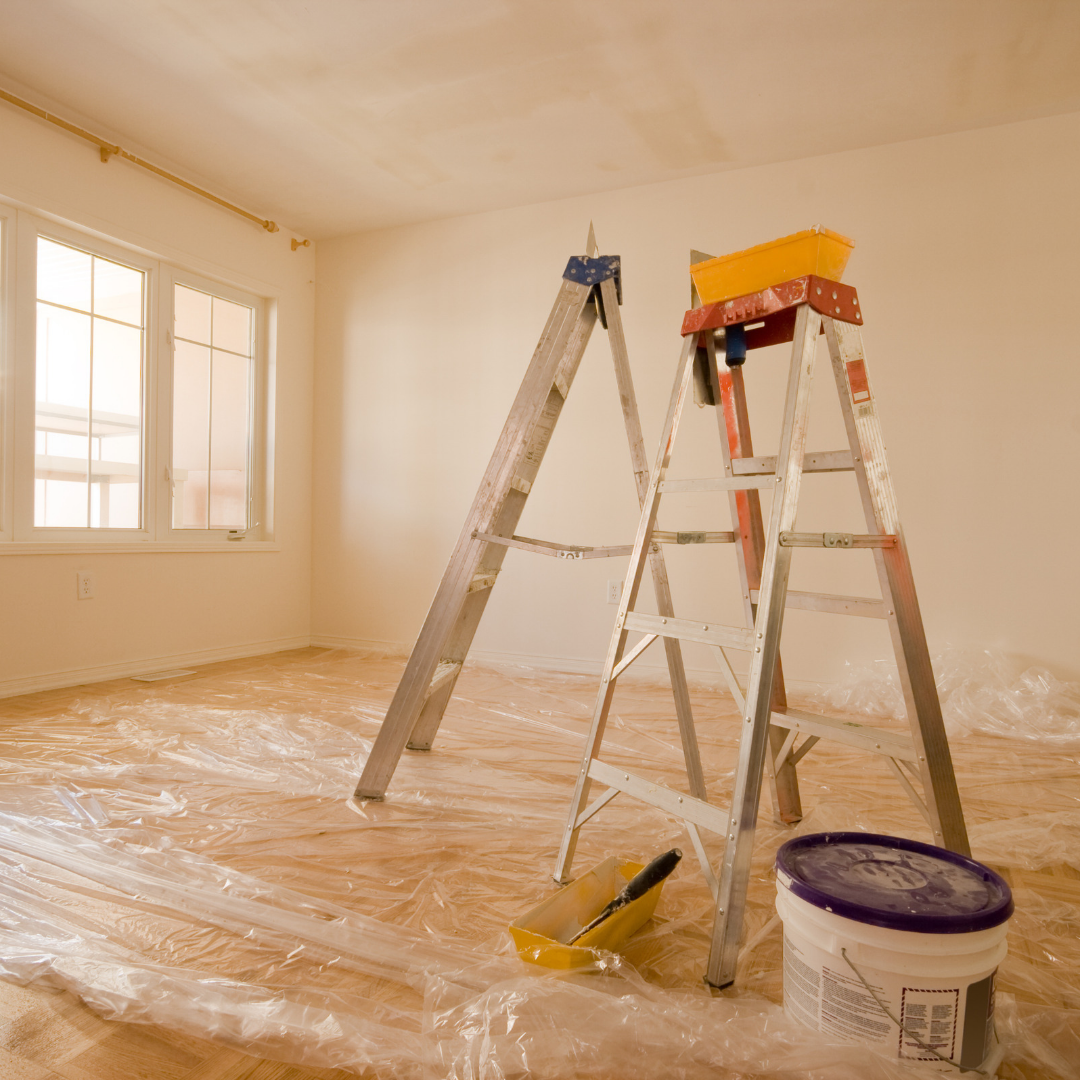
Have you been dreaming of a kitchen makeover, a more relaxing bathroom, a refreshed living room, or a garden that feels like your own little paradise? Home renovations are an exciting opportunity to transform your space, improve functionality, and create a home that better reflects your lifestyle.
But before the tools come out and the work begins, a little preparation can make a big difference. Planning ahead helps you manage your budget, minimize stress, and enjoy the process of turning your vision into reality.
At Aloha Designs 4 U, we believe that creating a beautiful space starts with inspiration and thoughtful planning. Here are some helpful tips to get you ready for your next home renovation!
1. Define Your Vision
Before making purchases or contacting contractors, take time to think about what you want to achieve.
Are you looking to modernize an outdated kitchen? Create more storage? Improve your home’s lighting? Or simply give a room a fresh new look?
Start by identifying your priorities. Separate the changes you need from the features you’d love to have if your budget allows.
It can also help to create an inspiration board with photos, color palettes, furniture ideas, and materials you love. Pinterest, home design websites, magazines, and even photos of places you’ve visited can provide wonderful inspiration.
Having a clear vision will help you make more confident decisions throughout the renovation.
2. Establish a Realistic Budget
A renovation budget involves more than the cost of materials and labor. You’ll also need to consider permits, delivery fees, temporary accommodations if necessary, and unexpected repairs.
Before starting, research typical costs for your planned improvements and request detailed estimates from contractors. Compare what’s included in each estimate rather than choosing based on price alone.
It’s also wise to set aside a contingency fund for surprises, such as hidden water damage, outdated wiring, or other issues uncovered during construction. The appropriate amount depends on the age and condition of your home and the scope of the project.
A well-planned budget gives you a clearer picture of what is achievable and helps prevent unnecessary financial stress.
3. Find the Right Professionals
Some home improvement projects are suitable for experienced DIY enthusiasts, while others require qualified professionals.
For major renovations involving electrical systems, plumbing, structural changes, or other specialized work, consult appropriately licensed or qualified professionals as required in your area.
Before hiring a contractor, ask for references, review previous projects, confirm credentials, and obtain a written contract. The agreement should clearly outline the scope of work, materials, payment schedule, estimated timeline, and how changes or unexpected costs will be handled.
Good communication is essential. Make sure you feel comfortable asking questions and discussing concerns before the work begins.
4. Prepare Your Home for Construction
Once your renovation schedule is confirmed, it’s time to prepare the space.
Remove decorations, fragile items, valuables, and personal belongings from the work area. Store items in labeled boxes so you can easily find them later.
If you’re renovating a kitchen or bathroom, establish an alternative arrangement for preparing meals or managing daily routines. If bedrooms or living areas are affected, consider where household members can comfortably spend their time.
Protect furniture and belongings in nearby areas from dust and debris. Ask your contractor how the work area will be contained, ventilated, and cleaned.
If you have children or pets, plan how to keep them away from tools, construction materials, and restricted areas throughout the project.
5. Expect Some Disruption to Your Routine
Even a well-organized renovation can temporarily affect your daily life. There may be noise, dust, workers coming and going, and limited access to certain rooms.
Think about how the project might affect your usual schedule. You may need to adjust meal preparation, work arrangements, parking, or household activities.
If you’re planning extensive renovations, ask your contractor whether you should remain in the home or arrange temporary accommodation.
Remember that construction timelines can change because of weather, material availability, inspection requirements, or unexpected repairs. Build flexibility into your plans and maintain regular communication with your renovation team.
6. Choose Materials and Finishes Early
One of the most enjoyable parts of renovating is selecting colors, flooring, countertops, tiles, fixtures, lighting, and other finishing touches.
However, these choices can also affect your budget and schedule.
Whenever possible, finalize important selections before construction begins. Confirm product dimensions, availability, delivery dates, and installation requirements. Delayed materials can sometimes hold up an entire project.
Think about both appearance and practicality. For example, durable flooring may be preferable in high-traffic areas, while moisture-resistant materials are especially important in bathrooms and kitchens.
If you’re renovating a home in a warm, humid climate, consider ventilation, moisture control, and materials suited to local conditions.
Choose finishes you genuinely love, but also consider how they’ll function in your everyday life.
7. Don’t Forget the Small Details
It’s easy to focus on the big transformations, but small details can make a home feel more comfortable and complete.
Consider where you’ll need electrical outlets, how you’ll use storage spaces, whether the lighting is sufficient, and how people will move through each room.
Think about maintenance, too. A beautiful design is even better when it’s easy to clean and maintain.
If you’re planning to sell or rent out the property in the future, consider which improvements may appeal to prospective buyers or tenants. Prioritize quality, functionality, and the needs of your intended occupants rather than assuming every upgrade will increase the property’s value.
8. Prepare for the Final Walkthrough
As the renovation nears completion, take time to inspect the finished work with your contractor.
Check that agreed-upon items have been completed, fixtures operate properly, doors and windows function as expected, and finishes meet the agreed specifications.
Prepare a list of any outstanding items or corrections and clarify how and when they will be addressed. Keep copies of contracts, receipts, warranties, permits, and relevant maintenance instructions for future reference.
Before moving everything back into the renovated space, arrange for construction debris to be removed and the area to be cleaned appropriately.
This final step helps ensure that your newly improved space is ready to enjoy.
Turn Your Vision Into a Space You Love
Home renovations are about more than updating walls, floors, and fixtures. They’re an opportunity to create a space that supports your needs, reflects your personality, and makes everyday living more enjoyable.
With thoughtful planning, a realistic budget, the right professionals, and a little patience, you can approach your renovation with greater confidence.
Remember to take inspiration from the things you love, stay flexible when challenges arise, and appreciate the progress along the way. Every decision brings you one step closer to the home you’ve envisioned.
Create, Refresh, and Enjoy the Journey
At Aloha Designs 4 U, we love finding inspiration in the world around us, whether through gardening, crafting, baking, traveling, or creating a more beautiful home.
Your renovation journey is another opportunity to explore your creativity and bring new life to your surroundings.
Start planning, gather your ideas, and take that first step toward a space that feels more like you.
Here’s to fresh beginnings, beautiful spaces, and a little more aloha at home! 🌺